

SEARCH Use the up and down arrows to select a result. Press enter to go to the selected search result. Touch device users can use touch and swipe gestures.

The Difference Between Supported and Assisted Living
Supportive Living vs Assisted Living – What’s the Difference?
Bath Water Temperature for Elderly: How to Ensure Safety How Often Should Seniors Shower
Bathing Advice for Seniors: Safe Bath Water Temperature for Elderly

Aging in Place Home Care
Aging in place home care refers to the ability of seniors to live safely, independently, and comfortably in their own homes, even as their care needs increase.
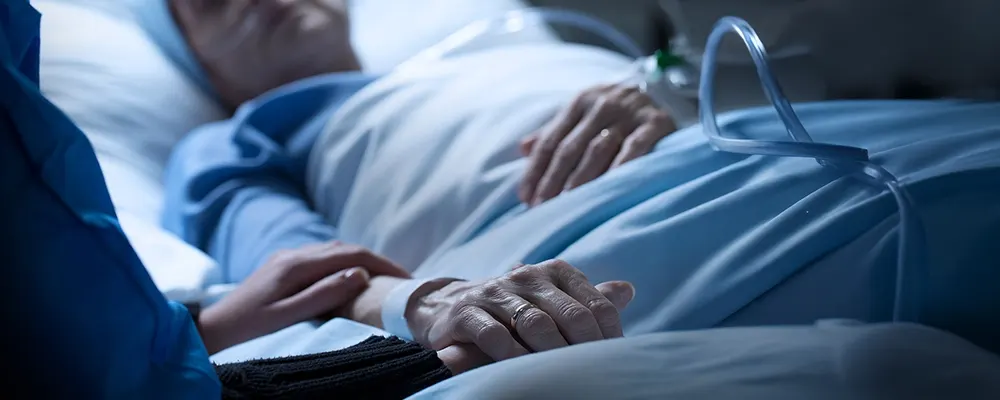
Trusted end of life care services helping families during difficult times Trusted end of life care services helping families during difficult times Trusted end of life care services helping families during difficult times

Contact Us About Our Home Care

Call 800-747-9500 or fill out the form below.

PLEASE SELECT

Contact Disclaimer

By submitting this form, I consent to receive communications from Senior Home Care by Angels, including emails, phone calls, and text messages, about the inquiry or opportunity I am requesting.

You may withdraw your consent at any time by replying STOP to text messages or by using the unsubscribe link included in our emails. Message and data rates may apply. For more details, please see our Privacy Policy.

Marketing Disclaimer

Yes, I would like to receive occasional promotional emails, newsletters, and special offers from Senior Home Care by Angels. I understand I can withdraw my consent at any time by clicking the unsubscribe link in any email or by contacting 800-747-9500. For details, see our Privacy Policy.

Frequently Asked Questions

What is End-of-Life Care?

When a loved one has a limited life expectancy due to a terminal illness or other cause, they often require non-medical care to improve their quality of life and well-being during their final days, weeks, or months. It focuses on ensuring they are comfortable and not in pain during their final days. In many cases, day-to-day personal care responsibilities fall on the shoulders of family and friends.

Sometimes, it is too difficult for relatives and close friends to manage the physical and emotional demands on their own. Professional end-of-life care services are a shared resource — and Senior Home Care by Angels can help.

Non-medical care can occur at home, in a hospital, or a specialized hospice facility, depending on the individual's needs and wishes.

How is End-of-Life Care Different From Hospice?

End-of-life care helps people facing serious illnesses by managing symptoms and providing support, aiming to improve their quality of life during their final stages.

Hospice is a type of end-of-life care that focuses on comfort and dignity for patients with terminal conditions. It is often delivered at home or in a hospice facility. Unlike general end-of-life care, hospice doesn't pursue treatments to cure the illness. Instead, it focuses on easing pain and supporting emotional needs during the final stages of life.

Through a specialized coordination-of-care system, Senior Home Care by Angels works closely with hospice providers, shares care goals, and communicates about an older adult’s condition.

Are Caregivers Trained in End-of-Life Care?

Yes, our caregivers receive non-medical care training on the stages of death and dying, which helps us support you and your family. 

They receive training on what to do if an older adult passes away while under their care. This comprehensive training outlines specific protocols and enables them to respond compassionately while helping the family through the next steps.

How Will You Support My Family During End-of-Life Care?

Our caregivers serve as “eyes and ears” for families and will keep a watchful eye for changes that warrant intervention beyond non-medical attention. In-home assistance can also reduce “caregiver burnout.” A professional caregiver will take on difficult care tasks, complete day-to-day errands and chores, and provide you with respite when you need a break.

How Should I Start Planning For End-of-Life Care?

Each of us, regardless of our health, should communicate our end-of-life wishes with our family. The best time is before a terminal illness is diagnosed. If your senior is approaching the end-of-life stage, our care coordinators can meet during a free, no-obligation consultation to discuss your loved one’s personal care needs.