SEARCH Use the up and down arrows to select a result. Press enter to go to the selected search result. Touch device users can use touch and swipe gestures.

The Difference Between Supported and Assisted Living
Supportive Living vs Assisted Living – What’s the Difference?
Bath Water Temperature for Elderly: How to Ensure Safety How Often Should Seniors Shower
Bathing Advice for Seniors: Safe Bath Water Temperature for Elderly

Aging in Place Home Care
Aging in place home care refers to the ability of seniors to live safely, independently, and comfortably in their own homes, even as their care needs increase.
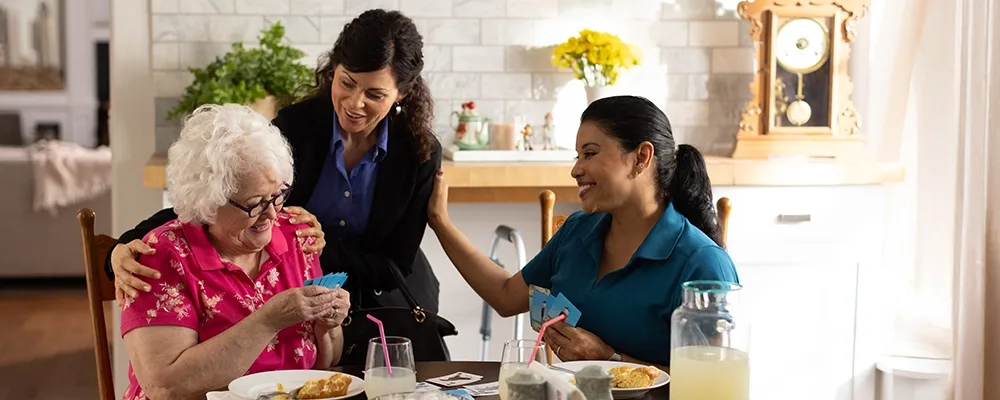
Professional long distance care helping families support loved ones from afar Professional long distance care helping families support loved ones from afar Professional long distance care helping families support loved ones from afar

Contact Us About Our Home Care

Call 800-747-9500 or fill out the form below.

PLEASE SELECT

Contact Disclaimer

By submitting this form, I consent to receive communications from Senior Home Care by Angels, including emails, phone calls, and text messages, about the inquiry or opportunity I am requesting.

You may withdraw your consent at any time by replying STOP to text messages or by using the unsubscribe link included in our emails. Message and data rates may apply. For more details, please see our Privacy Policy.

Marketing Disclaimer

Yes, I would like to receive occasional promotional emails, newsletters, and special offers from Senior Home Care by Angels. I understand I can withdraw my consent at any time by clicking the unsubscribe link in any email or by contacting 800-747-9500. For details, see our Privacy Policy.

Frequently Asked Questions

How Do I Know When It’s Time For In-Home Senior Care?

Long-distance family caregivers can have difficulty recognizing when a loved one needs in-home care. Don’t hesitate to contact friends, neighbors, or others to ask if they notice any worrisome behavioral changes.

Also, be aware of “red flags” your loved one may casually mention over the phone. Tell-tale signs that professional in-home care is needed may include:

  • Challenges with diet, shopping, and nutrition
  • Difficulty cleaning or maintaining their home
  • Having a fall or other accident at home
  • Forgetting to take medications
  • Missing or forgetting appointments
  • No longer socializing or leaving home regularly
  • Not bathing, dressing, or putting on makeup

What Kind of Assistance is Included With Long-Distance Senior Care?

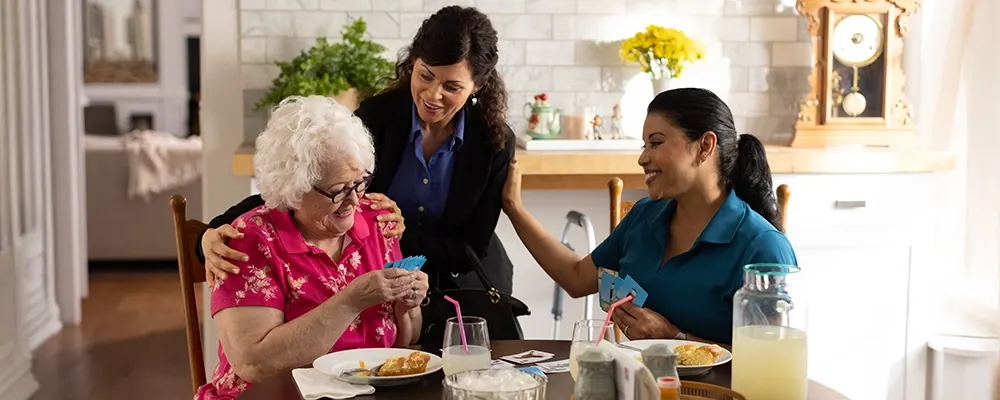
Long-distance assistance includes emotional support and standard services such as companion care and personal care. We are happy to combine programs for a supportive plan to enhance your loved one’s care and give you peace of mind.

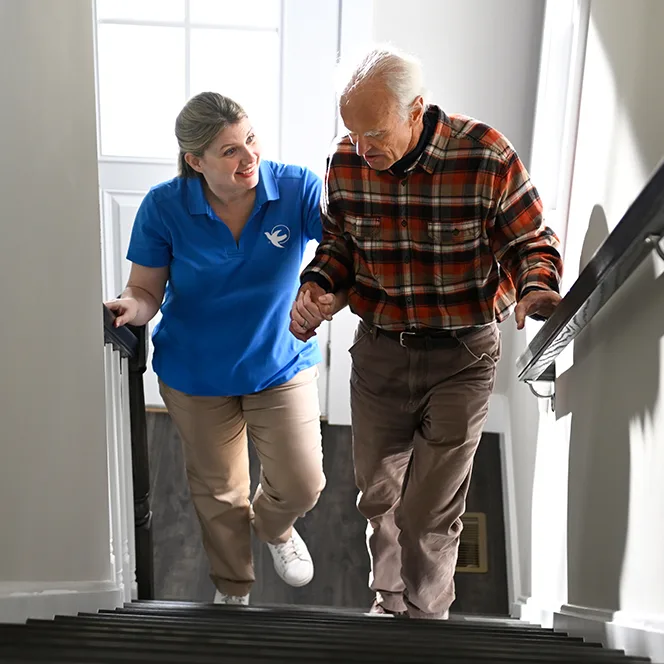
Specialized services, including Alzheimer’s care and dementia care, are available for individuals with memory disorders. Other services, including the Safe and Steady® Fall Prevention program, can be helpful if your loved one lives alone and is at high risk for accidents in their home.

What Happens During the Initial Consultation?

Your loved one’s local agency will conduct a free in-home consultation with your loved one and a detailed phone consultation with you.

Together, you’ll talk through:

  • Emotional care (social interaction, conversation, hobbies)
  • Homemaking (light housekeeping, laundry)
  • Meals (dietary restrictions, meal planning)
  • Memory care (reminders to eat, hydrate, take medications)
  • Personal care (bathing, dressing, toileting)
  • Transportation (grocery shopping, errands, appointments)

In addition to these day-to-day care activities, you’ll also iron out logistical details like scheduling, access to your loved one’s home, and emergency procedures.

What if My Loved One is Reluctant About Hiring Someone?
The home care decision can be emotionally sensitive and may be met with objections to hiring a caregiver. If your loved one resists the idea, be sure to listen to their opinions and concerns. Emphasize their well-being is your top priority.

How Can I Make Sure My Loved One is Comfortable With Their Caregiver?

Your care coordinator will use input and information about your loved one's life, hobbies, preferences, and health conditions to recommend a caregiver with the ideal skills, experience, and personality to foster a perfect match.

If — for any reason, at any time — you feel the caregiver isn’t the right match, the care coordinator will work with you to select a different in-home caregiver.