

Discharging Elderly Patients From Hospital - What Families Need To Know
Seniors may be required to undergo a hospital stay for various reasons. From a slip and fall injury to managing health conditions, a hospital stay can be a turning point for many older adults. Whether the hospital admission was planned or unexpected, a hospital discharge is often filled with uncertainty for seniors and their families, especially when they don’t know what kind of care might be required. Families may feel relieved that their loved one is stable enough to return home, yet unsure about what comes next and how to manage care while also handling other responsibilities.
Understanding how hospital discharge works for seniors, what can go wrong, and how professional home care through Senior Home Care by Angels can support at-home recovery can make a meaningful difference in long-term health and safety.
Our team at Senior Home Care by Angels provides post-hospital discharge in-home care and support throughout Canada for older adults who are transitioning from a hospital stay back to home. With thoughtful planning and compassionate home care services through our team, families can reduce the risk of hospital discharge complications and help their loved ones regain strength in a familiar and comfortable environment.
How Does Hospital Discharge Work for Seniors
When discharging elderly patients from hospital stays, there is a formal process for releasing a patient from care once their medical team determines they no longer require hospital-level treatment for their injury or illness. For seniors, this decision is made by doctors based on clinical stability rather than whether they have fully recovered. Many families feel as if elderly patients discharged from the hospital too soon can impact their overall ability to recover. This is mainly because elderly patients are discharged while they are still weak, fatigued, or are managing new medications and mobility limitations, which can be very challenging, especially for those with cognitive conditions such as Alzheimer’s.
Discharging elderly patients from hospital settings requires careful coordination between medical staff, caregivers, and family members. Physicians, nurses, and hospital discharge planners work together to review medications, follow-up appointments, and post-hospital discharge therapy needs. Hospital discharge planning may also involve contacting community health services, including connecting with our caregivers for home care referrals, or reaching out to therapists for rehabilitation programs.
Elderly Discharged From Hospital Too Soon
However, even with proper planning in place, families may find the transition from hospital to home feels rushed or uncoordinated. The demands of a busy healthcare system can sometimes result in the elderly being discharged from the hospital too soon, leaving families to manage complex needs with little preparation. However, our team at Senior Home Care by Angels works to provide post-hospital home care, whether it needs to be ongoing or until a senior loved one recovers fully.
What Is an Unsafe Discharge from Hospital?
An unsafe discharge from the hospital typically happens when a patient is released without appropriate at-home support, clear instructions, or a safe home or rehabilitation facility environment to return to. For seniors, the risks are especially high if they are discharged from the hospital too early. Age-related frailty, chronic conditions, and cognitive changes can make recovery from illness or injuries at home more challenging.
Situations that may point to an unsafe discharge from hospital include:
- Lack of clear medication instructions from hospital staff or confusion about taking new prescriptions
- No arranged follow-up appointments or therapy services
- Discharge to a home that has fall hazards or accessibility barriers
- Insufficient at-home care and support for activities such as bathing, dressing, or meal preparation
- Ongoing medical symptoms that have not fully stabilized
When families believe that elderly patients were discharged from the hospital too soon, it is important to speak with the healthcare team immediately. Clarifying aspects of the care plan with medical staff and requesting additional support at home can prevent complications and reduce the risk of readmission.
How Long Does It Take for an Elderly Person to Recover from a Hospital Stay
Recovery time after a hospital discharge varies depending on:
- The reason for a senior being hospitalized
- Their overall health
- The level of support at home
A relatively healthy senior recovering from a minor procedure may regain strength within a few weeks, while seniors managing chronic illness, surgery, or infection may require several months to return to their prior level of functioning.
For many older adults, hospitalization itself can lead to body deconditioning. Even a short hospital stay can lead to muscle loss, balance issues, and reduced endurance, resulting in physical limitations for seniors when they return home. Emotional factors such as anxiety, depression, or mood swings may also slow recovery.
How Our Home Care Services Help Prevent Readmission
Hospital readmissions are common among seniors, especially within the first 30 days after hospital discharge. Many readmissions have been linked to:
- Medication errors
- Falls
- Unmanaged symptoms
- Lack of follow-up care
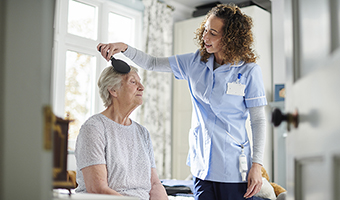
Our team at Senior Home Care by Angels offers non-medical in-home care and support that is designed to reduce the risk of readmission. With our customized home care plans, services may include:
- Assistance with personal care, including bathing, dressing, and personal hygiene tasks
- Medication reminders and observation for side effects
- Meal preparation that supports proper healing and provides energy boosts
- Light housekeeping to maintain a safe and clean living space
- Companionship to reduce isolation and promote emotional well-being
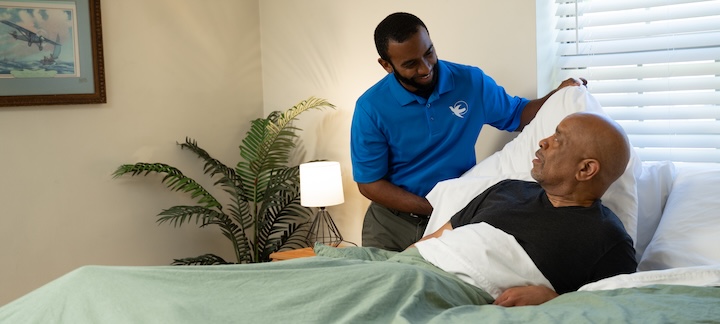
When professional caregivers from Senior Home Care by Angels are involved, they can review the home setup, observe changes in behavior or health, and recommend further adjustments that promote safety and comfort.
The transitional care and support we provide can make a significant difference in a senior’s recovery outcomes. By providing consistent assistance during the early weeks after hospital discharge, caregivers from Senior Home Care by Angels help seniors build strength and confidence at home.