Mobility Aids for Seniors
Mobility changes are a natural part of aging, but they can gradually affect how individuals move and get through their daily living routines, from getting out of bed to safely walking across a room or leaving the house. Using the right mobility aids for seniors, combined with dependable mobility support, can help reduce the risk of falls in the home and make everyday life feel more manageable.
Senior Home Care by Angels provides non-medical home care services that include hands-on mobility assistance and extensive knowledge of mobility aids. Our home care services are designed to support safety, dignity, and independence both inside and outside the home.
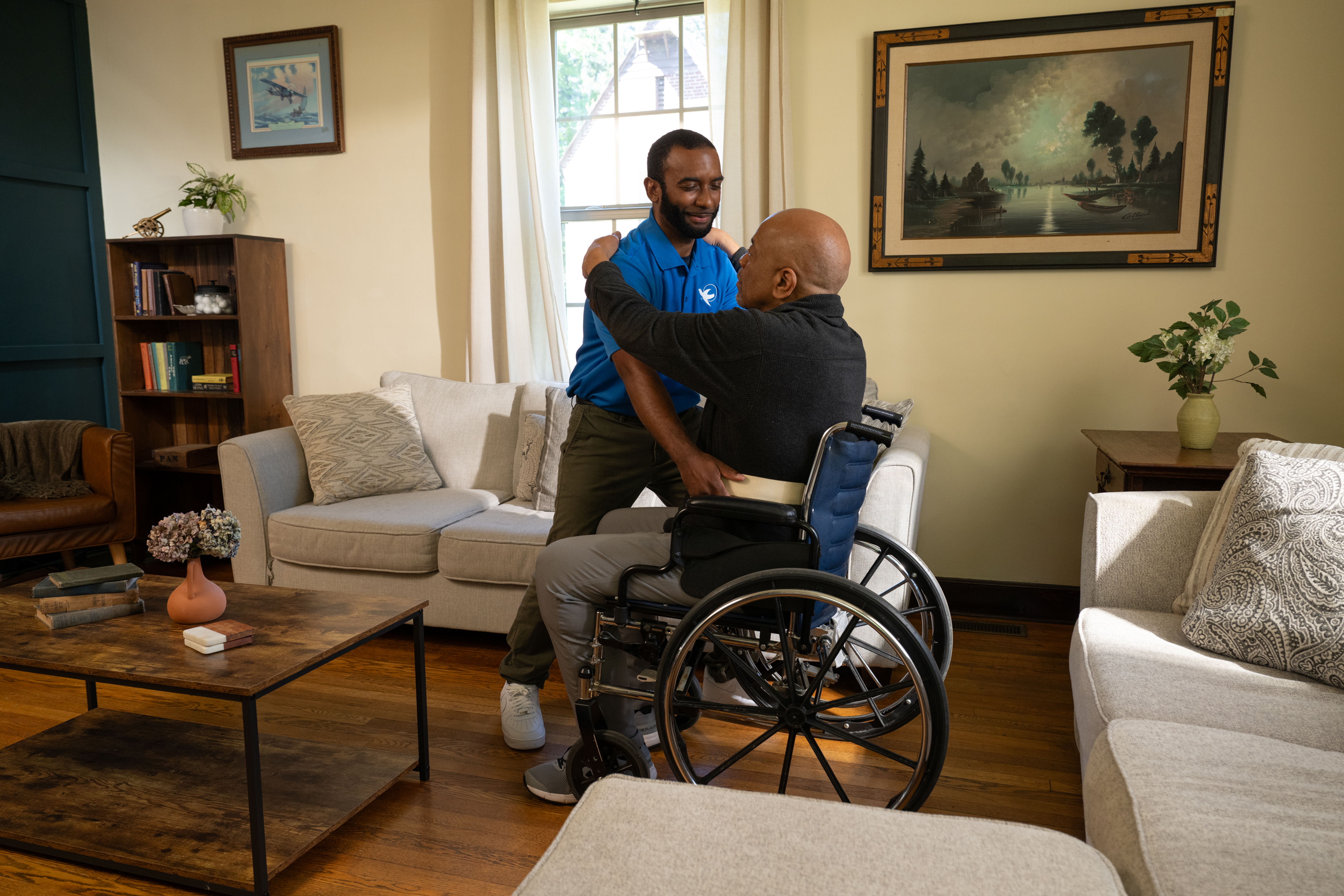
Our caregivers can assist seniors with mobility devices for walking, as well as transferring to and from the bed, the toilet, or a recliner in the living room. They also help clients get in and out of vehicles, support the use of mobility aids for seniors in public settings, and handle the loading and unloading of mobility devices for walking, such as wheelchairs, walkers, and canes. This type of home care assistance allows seniors to stay active, mobile, and independent without unnecessary strain or risk.
Benefits of Senior Mobility Aids
Utilizing mobility aids for seniors offers more than just physical support when moving through the home or out in public settings. These senior mobility aids are tools that can improve daily life by encouraging safety, independence, and overall confidence. Some of the main benefits of implementing the use of mobility aids for seniors include:
- Reduced Risk of Falls - Mobility aids for seniors provide added stability when moving, which helps seniors maintain their balance and avoid slips or missteps during everyday activities.
- Increased Independence - With the right support from mobility aids, seniors can move around their home and within the community with less reliance on others for basic tasks.
- Improved Confidence - Having a reliable mobility device can ease anxiety and fear that a senior may feel, as they often are scared of falling. This will allow seniors to feel more secure while walking or standing.
- Less Physical Strain - Mobility devices such as walkers and canes can help distribute weight more evenly when walking, which can reduce pressure on joints and muscles.
- Support for Daily Activities - From getting out of bed to moving between rooms in the home, mobility aids make routine movements more manageable and safe.
- Greater Ability to Stay Active - Mobility devices for walking make it easier for seniors to continue participating in their favourite social activities, attend appointments, and go on family outings.
When mobility aids are combined with professional home care services, these benefits become even more impactful for seniors. Caregivers from Senior Home Care by Angels provide hands-on support with senior mobility aids to help seniors use their devices safely. They can assist during transfers to and from the bed, the toilet, and other common areas of the home.
Types of Mobility Devices For Walking
There are several different senior mobility devices for walking. Each is designed to match varying levels of strength and stability to meet seniors where they are, without taking their independence away. Each mobility aid serves a distinct purpose and should be selected for use based on individual needs.
- Canes - These are suitable for seniors who don’t need major support and can walk independently with simple balance assistance from the cane.
- Quad Canes - Quad canes offer increased stability when walking due to their wider base, which makes them a better option when additional balance support is required.
- Walkers - Walkers provide a stable frame for those who require more consistent support and stability while walking. They also often have seats, which are great for seniors who need to take breaks and sit down.
- Rollators - Rollators combine walkers with convenience, offering wheels, hand brakes, and a seat for resting.
- Wheelchairs - Wheelchairs are used by seniors when walking is no longer safe or practical for longer distances, such as throughout a grocery store, or from the parking lot to an entrance.
Selecting the right mobility aid for a senior is only part of the process. Proper use and daily support from a caregiver can also significantly improve the effectiveness of these tools.
How to Choose the Best Walking Aid for Balance for Seniors
Choosing the right mobility aids for seniors is more than just selecting a device that a senior thinks will work. Seniors often downplay their mobility requirements, as they may feel embarrassed or not ready to fully accept that they need assistance from a mobility device. Therefore, choosing the best mobility aid requires understanding the individual’s physical abilities, living environment, and daily routine, including what may be the best walking aid for balance in their situation.
A senior who remains active in their home and surrounding community may benefit from a device that supports movement both indoors and outdoors. Someone who spends more time at home may need a variety of mobility devices for walking and being stationary, which also improve safety in specific areas.
Comfort and ease of use are also important to consider when choosing the right mobility device. A mobility aid should feel stable and natural to use so that it becomes a consistent part of daily life rather than being challenging to use.
Caregivers at Senior Home Care by Angels can help families and seniors evaluate requirements and provide guidance on proper use. They also monitor for changes in mobility over time and can adjust the mobility support as needed.
Aids for Elderly at Home for Safer Mobility with Senior Home Care by Angels
Mobility support from Senior Home Care by Angels focuses on making everyday movements inside and outside the home safer and more manageable, without taking away independence. Caregivers can assist with transfer tasks, such as getting in and out of bed, moving safely to and from the toilet, and transitioning between seating areas, such as a recliner or a kitchen table, using aids for elderly at home when needed.
They also support seniors outside the home by assisting with transfers into and out of the car, providing steady hands or an elbow to hold while walking in public, and managing equipment such as walkers and wheelchairs. This allows seniors to attend doctors’ appointments, run errands, and remain socially connected to their community.