

Parkinson's Home Care for Seniors Living Safely at Home
More than 100,000 Canadians suffer from Parkinson's. Learn how at home senior care can help your loved one manage their symptoms at home.
April is Parkinson's Awareness Month. During this time of the year, we strive to help seniors and their family members raise awareness about this disease.
What Is Parkinson’s Home Care?
Parkinson’s home care is specialized in-home support designed to help individuals living with Parkinson’s disease manage both motor and non-motor symptoms safely at home. It focuses on maintaining independence while providing assistance with daily activities such as medication management, mobility support, personal care, and household tasks.
Because Parkinson’s is a progressive neurological condition, care needs often increase over time. Home care services are adapted to match each stage of the disease, helping individuals remain in a familiar environment for as long as possible.
Core Support Services in Parkinson’s Home Care
Parkinson’s home care typically includes structured support across several key areas:
- Medication management: Caregivers help ensure medications are taken on time and as prescribed, which is essential for managing symptom fluctuations and “on/off” periods.
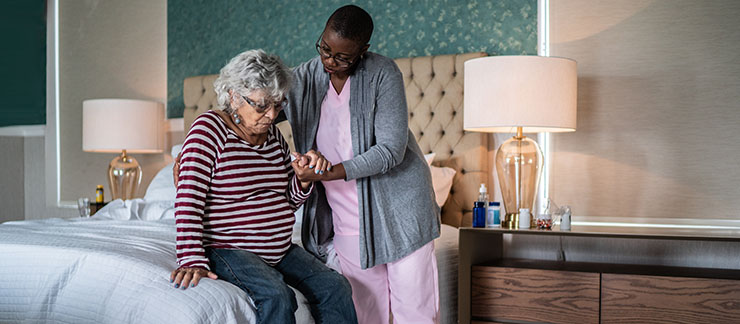
- Mobility and fall prevention: Assistance with walking, transfers, and movement around the home helps reduce fall risk and supports safe mobility.
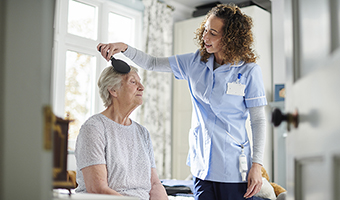
- Activities of daily living (ADLs): Support with bathing, dressing, grooming, toileting, and eating helps individuals maintain dignity and independence.
- Home safety support: Caregivers may help identify and reduce hazards in the home, such as loose rugs, poor lighting, or clutter that increases fall risk.
- Nutrition and hydration: Meal preparation and encouragement with eating and drinking help address dietary needs and swallowing changes that can occur with Parkinson’s.
Why Parkinson’s Home Care Is Important
Parkinson’s home care helps individuals remain safely at home while receiving consistent support tailored to their symptoms. It also provides relief for family caregivers and helps reduce the risk of falls, medication errors, and hospital visits.
With proper in-home support, many individuals with Parkinson’s can continue living independently in familiar surroundings for longer.
Understanding Parkinson’s Disease and Its Progression
Parkinson's is a neurodegenerative disease. Unfortunately, it is also a progressive disease, so after some time affected individuals will no longer be able to perform simple, everyday tasks without assistance. Many families choose to serve as their loved one's caregiver, but as the disease progresses, they will eventually need an advanced level of care that family caregivers may not be equipped to provide.
If your senior loved one has been diagnosed with Parkinson's disease, you can count on Senior Home Care by Angels. We offer at home senior care services specifically designed for those who suffer from Parkinson's. Our Parkinson's home care services will help your loved one stay at their home and maintain a happy life, giving you peace of mind knowing your loved one is getting the care they need.
Most Common Symptoms of Parkinson's
A diagnosis of this disease may take time because symptoms may be subtle at first. But, as Parkinson's disease progresses, it can have an effect on your senior loved one’s mobility and mental functioning. Parkinson’s care at home can help support individuals as these changes begin to impact daily life. Here are some of the most common symptoms of Parkinson’s disease:
- Gradual loss of mobility
- Frequent tremors
- Arising problems with balance
- Problems with handwriting
- Soft speech
- Drooling
- Unexplained weight loss or gain
- Hallucinations
- Nausea and vomiting
- Difficulties with swallowing
- Other various issues such as fatigue, depression, anxiety, sleeping disorders and constipation
Parkinson's Care at Home Can Help Seniors Thrive
Parkinson's disease will, unfortunately, lead to a number of complications in your loved one's life, inability to perform simple everyday tasks and activities, increased risk of falling and getting injured and other issues.
That’s why Senior Home Care by Angels offers personalized Parkinson’s care plans that will allow your senior loved one to live safely and comfortably in their home while keeping the disease under control. Our Parkinson's home care services are designed to adapt as needs change over time.
We offer many services to help seniors manage their symptoms in the comfort of their own home, including:
- Mobility assistance
- Transferring and positioning assistance
- Help with bathing, dressing and toileting
- Companionship and emotional support
- Meal planning and preparing
- Grocery shopping
- Feeding, if needed
- Completing light housekeeping chores
- Running errands
- Arranging transportation to appointments and therapies
- And more
Parkinson's disease is a progressive condition, so over time, your loved one's needs will change. That's why our at home senior care plans can be adjusted and modified at any time in order to ensure the best care for your loved one.
Helpful Parkinson’s Resources and Care Guides
Understanding Parkinson’s disease and finding the right support can make a meaningful difference for both seniors and their families. The right information can help you make informed decisions about care, safety, and daily living support as needs change over time.
To help you get started, here are some helpful resources:
- Bed Exercises for Elderly Adults – Learn simple, safe exercises that can help support mobility, flexibility, and comfort for seniors who may have limited movement or are recovering strength.
- Questions to Ask When Choosing a Caregiver – A helpful guide for families exploring home care options, including what to look for in a caregiver and how to choose the right support for your loved one.
These resources can help families better understand care needs and explore supportive options as they consider Parkinson’s care at home for their loved one.
Comprehensive Home Care Services for Seniors
When a loved one begins to need extra support at home, having access to a full range of care services can make all the difference. Our care plans are designed to meet seniors where they are, whether they need occasional help, daily assistance, or more advanced ongoing care. Each service is delivered with compassion, respect, and a focus on maintaining independence and quality of life for as long as possible.
- 24-Hour Care – Continuous, around-the-clock support to ensure safety, comfort, and assistance at any time of day or night.
- Alzheimer’s Care – Specialized care focused on supporting memory, routine, and safety for individuals living with Alzheimer’s disease.
- Holistic Care – A whole-person approach to care that supports physical, emotional, and social well-being.
- Companion Care – Friendly companionship and emotional support to reduce loneliness and encourage social engagement.
- End-of-Life Care – Compassionate support for clients and families focused on comfort, dignity, and quality of life.
- Fall Prevention – Safety-focused care that helps reduce fall risks through supervision, home safety awareness, and mobility support.
- Overnight Home Care – Evening and overnight assistance to provide reassurance and help with nighttime needs.
- Personal Care – Hands-on assistance with daily activities such as bathing, dressing, grooming, and hygiene.
- Respite Care – Temporary relief for family caregivers, allowing them to rest while ensuring consistent care for their loved one.
- Transitional Care – Support during recovery after hospital stays or medical procedures to help ensure a safe return home.
Get Trusted Parkinson’s Care at Home Today
If you’re looking for a professional home care agency to help your loved one maintain their quality of life after being diagnosed with Parkinson’s, Senior Home Care by Angels is here to help with trusted Parkinson's care at home. Contact your nearest agency to learn more about our services for seniors with Parkinson’s.