


Winter Safety for Seniors and Tips for a Healthier Winter
During the summer months, we’re often more attuned to our body’s need for water, because we might feel hot or even sweaty more often. During the winter, when it’s cold, grey, or snowing, it’s easy to forget, but our body needs the same amount of water. Winter dehydration is one concern to keep in mind, along with other considerations for winter safety for seniors. The winter months can bring a few different health dangers into our lives and the lives of the seniors we love.
Winter Safety for Seniors
Winter safety for seniors includes staying warm, preventing slips and falls, staying hydrated, and preparing for severe weather. Older adults can take these precautions during the colder months:
- Stay warm: Keep the home comfortably heated and wear warm layers, socks, and slippers indoors.
- Prevent falls: Wear winter boots with non-slip soles, use ice grips on canes or walkers, and keep walkways clear of snow and ice.
- Stay hydrated: Drink fluids regularly throughout the day to help prevent winter dehydration for seniors.
- Prepare for emergencies: Keep blankets, non-perishable food, water, flashlights, and medications available during winter storms or power outages.
- Stay connected: Arrange regular check-ins with family, friends, or caregivers during severe winter weather.
Winter Dehydration for Seniors
Winter dehydration for seniors can happen even when the weather is cold. Older adults may have a weaker sense of thirst, while dry outdoor air and indoor heating can increase fluid loss. Seniors may also be more vulnerable to dehydration when illness or certain medications affect their fluid balance.
Signs of dehydration can include dark urine, dry mouth, fatigue, dizziness, confusion, headaches, and less frequent urination. To help prevent winter dehydration, encourage seniors to drink fluids regularly throughout the day, keep water or other preferred beverages nearby, and include water-rich foods such as soups, fruits, and vegetables in meals.
How Senior Home Care Supports Winter Safety for Seniors
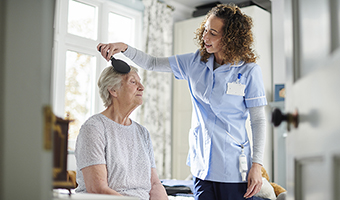
Senior home care is a great frontline defense for your aging loved one and can support winter safety for seniors by helping combat winter health problems. From a slip and fall on the ice to a higher chance of contracting a cold or the flu, there are health risks that come with the cold weather.
When your aging loved one has a caregiver, they receive a daily wellness visit that can also include:
- Meal preparation
- Medication reminders
- Mobility assistance
- Other services that can increase their comfort, safety, and happiness
Senior home care can also help those who live alone combat the winter blues. Winter weather and cabin fever can often make us feel stuck inside, lonely, or depressed. At Senior Home Care by Angels, companion care is at the heart of our work, our caregivers are dedicated to developing communicative, positive relationships with our clients. The symptoms of loneliness and isolation can be diminished when your loved one is receiving senior home care.
Winter Dehydration for Seniors and Ways to Prevent It
Winter dehydration for seniors is a real risk in the lives of seniors. Especially if your aging loved one has other medical diagnoses or has contracted a cold or other illness, dehydration can occur quickly and worsen many physical symptoms.
Dehydration can add a range of additional physical ailments, including:
- Headaches
- Nausea
- Fatigue
- Other dehydration-related symptoms
The best way to rehydrate is to incorporate lots of fluids, all day. This can include drinks with electrolytes (think Gatorade or Pedialyte), and also juices, soups, popsicles, or nutritional drink supplements (like Ensure or Boost). Remember that caffeinated beverages (like tea or coffee) and alcoholic beverages require additional water for your body to digest, so will set you back as you work to rehydrate.
In-Home Care Support for Winter Health and Safety
Winter can bring hidden health risks for seniors, making winter safety for seniors especially important during the colder months. These risks can include dehydration, illness, falls, and increased isolation.
Companion Care
Companion care helps reduce loneliness and supports emotional well-being through regular visits, conversation, and meaningful social connection during the colder months.
Personal Care
Personal care provides essential daily support such as meal preparation, medication reminders, mobility assistance, and help maintaining proper hydration throughout the day. These routines play an important role in keeping seniors healthy, comfortable, and safe at home during winter.
Fall Prevention
Fall prevention services help identify hazards and promote safer movement both inside and outside the home, reducing the risk of injury from icy conditions and limited mobility. Together, these in-home care services help protect seniors from winter-related health concerns while supporting their overall quality of life.
Get Help Managing Winter Dehydration With Senior Home Care by Angels
Your senior home care provider can work with you to come up with an individualized plan for managing winter dehydration and staying hydrated this winter, including taking precautions around dietary needs, restricting fluids in the evening, or other health concerns you might have. Water can also be incorporated throughout the day, in an effort to maintain better hydration all the time.
To learn more about how senior home care can help keep your aging loved one safe, comfortable, and secure this winter, contact the Senior Home Care by Angels agency nearest you.